
Liberty Lake, nestled just east of Spokane along the Washington-Idaho border, is a community steeped in heritage and natural beauty. While today it boasts vibrant neighborhoods, bustling parks, and a growing local culture, Liberty Lake’s story spans generations. From its earliest days as a gathering place for indigenous people, to a recreation hub and a beloved hometown, Liberty Lake has woven itself into the fabric of greater Spokane. Let’s take a stroll through its fascinating history, discover some of its celebrated landmarks, and see how this neighborhood has gracefully evolved over the decades.
From Earliest Days: Indigenous Roots and the Birth of Liberty Lake
Long before the arrival of settlers, the fertile shores of Liberty Lake were a cherished stop for the Spokane Tribe and neighboring peoples. Gatherings often occurred each summer, with the lake’s abundant fish, camas meadows, and shaded groves providing both sustenance and respite. The area’s original name, “Ska-na-tah,” meaning “Deep Water,” reflects its significance as more than just a landmark—it was a seasonal home and meeting ground.
As Euro-American settlers moved into the Inland Northwest in the late 1800s, the lake attracted homesteaders, fur trappers, and entrepreneurs drawn to its lush land. The new community took the name ‘Liberty Lake’ after an early settler, Stephen Liberty, a French-Canadian pioneer who made his home along the northwest shore in the 1870s. His genuine hospitality made the area a local waypoint, and ultimately, his name became tied to the very heart of the community.
A Resort Haven: Liberty Lake in the Early 20th Century
By the early 1900s, Liberty Lake had become the “playground of Spokane.” Families would board interurban trolleys for a day at the lake, escaping sweltering city summers for cool breezes, boating, swimming, and picnicking. The arrival of the Spokane Inland Empire Railroad in 1907 made the area especially accessible—trains deposited fun-seekers right at the lakeshore park.
Landmarks sprouted to match the growing demand for recreation:
- Liberty Lake Dance Pavilion: Built in the 1920s at what is now the present-day County Park (3707 S Zephyr Rd), this massive wooden hall became famous for its dances, concerts, and social gatherings.
- Liberty Lake Park: The county’s flagship park, originally developed by local boosters, offered beaches, bathing, and shaded picnic grounds—a tradition that endures today.
During Prohibition, jazz bands and speakeasy vibes filled the pavilion, making the lake a lively destination for all walks of life. In the 1940s and ‘50s, lakeside cabins multiplied—summer getaways for Spokane’s growing families.
Postwar Growth and Neighborhood Foundations
The post-World War II era brought big changes throughout Spokane County, and Liberty Lake was no exception. Veterans returned home seeking affordable land, and new neighborhoods took shape along Sprague Avenue and Mission Avenue. Schools like Liberty Lake Elementary (23606 E Boone Ave) became cornerstones, with children’s laughter mixing with the calls of migrating geese just blocks from their doorstep.
As highways improved—Interstate 90 reached Liberty Lake in the late 1960s—the area became less of a seasonal retreat and more of a year-round community. The 1970s and 1980s brought golf courses (such as MeadowWood and Liberty Lake Golf Courses), small businesses, and civic groups, all building a lasting foundation.
The Modern Era: Cityhood and Community Spirit
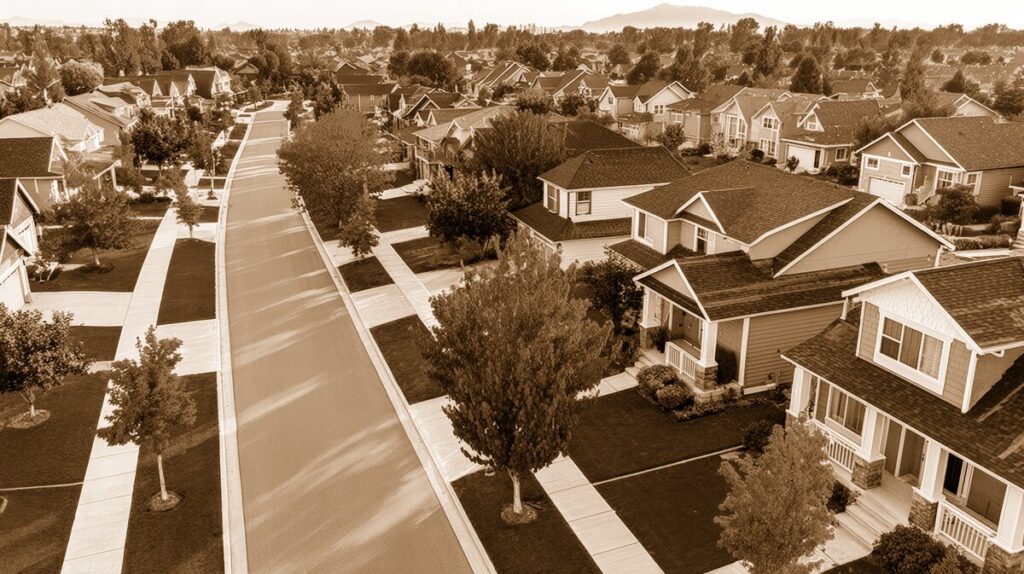
The most significant milestone in recent times came in 2001, when Liberty Lake officially incorporated as a city. Residents, proud of their unique identity and lakeside legacy, opted to steward their own future. Today’s Liberty Lake is a blend of old and new: tree-lined streets like Country Vista Drive and Molter Road are lined with trail systems, local eateries, and thriving small businesses.
Notable modern institutions include:
- Pavillion Park (727 N Molter Rd): Summer concerts, movies, and the ever-popular Fourth of July fireworks bring the community together, much as the old dance hall once did.
- Liberty Creek Elementary and Selkirk Middle School: These state-of-the-art schools anchor neighborhood life for the city’s youngest residents.
- Trailhead Golf Course and a growing network of multi-use trails bolster Liberty Lake’s reputation as a haven for recreation.
Architectural Gems and Heritage Landmarks
While much of Liberty Lake’s old resort architecture has given way to modern homes and green spaces, sharp-eyed visitors may still spot remnants of days gone by. Many original cabins, lovingly restored, line the quieter south shore on East Inlet Drive and North Lakeside Road, their wooden porches and boat docks peeking through stands of ponderosa pine.
The city has also placed a special emphasis on preserving green space. Liberty Lake Regional Park, over 3,500 acres of rolling hills, ancient forests, and the iconic lake, stands as a living tribute to the area’s heritage—here, you can hike the same trails once followed by Native Americans and early settlers alike.
A Neighborhood of Connection and Change
From its origins as “Ska-na-tah” to its modern identity, Liberty Lake stands apart for how it cherishes both its past and its potential. Friendly neighbors trade stories at the farmers market and swap gardening tips over backyard fences. Kids pedal bikes along the Liberty Lake Loop Trail, retracing routes once traveled by Native families and pioneer trolleys.
There’s a sense here—a deep current—that Liberty Lake isn’t just a place, but a shared legacy. Residents honor the land by caring for the lake, gathering in the parks, and supporting local schools. Through boom times and quiet winters, the community spirit remains as fresh as the lake breeze.
Looking Forward: Preserving the Best of Liberty Lake
As Liberty Lake continues to grow, newcomers quickly discover what longtime locals cherish: the blend of small-town kindness, storied history, and unrivaled scenery. Whether it’s the memory of a summer dance at the old pavilion, a sunlit paddle across the water, or the laughter of children at Pavillion Park, the neighborhood’s spirit carries forward.
Visitors are always welcome—just as Stephen Liberty once welcomed weary travelers generations ago. Take a walk along the lake, pause at the community beach, and you’ll feel it too: Liberty Lake is a place where heritage lives, and community thrives.